
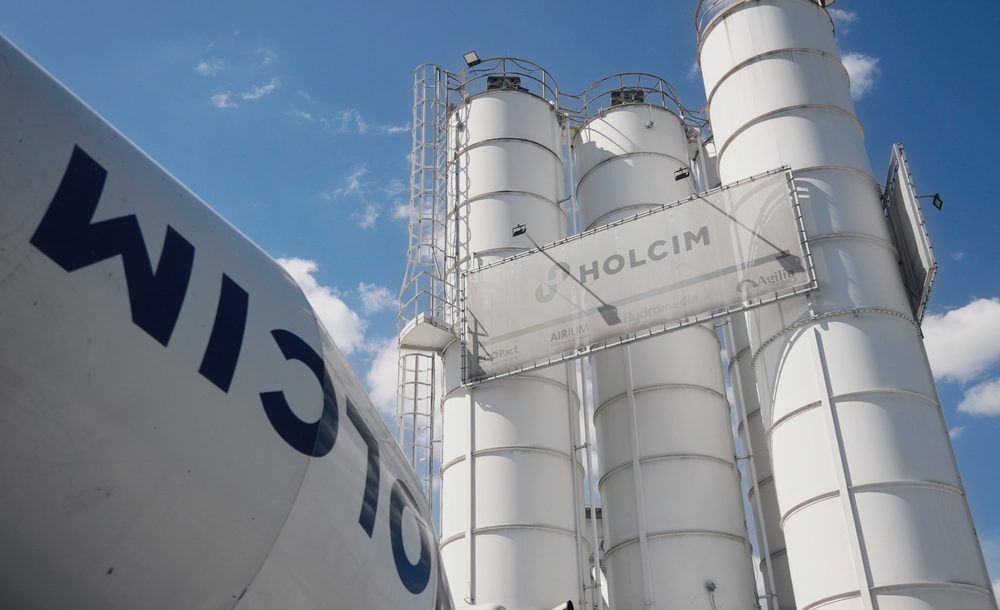
A Holcim concrete plant in Kraków, Poland, has cut the electricity use and mechanical stress of a key transport system after a drive upgrade. The project, announced by Mitsubishi Electric in November 2026, replaced the previous control approach on a concrete transport trolley with an FR-A800 variable frequency drive (VFD) and an FR-XC regenerative module.
What was changed at the Kraków plant
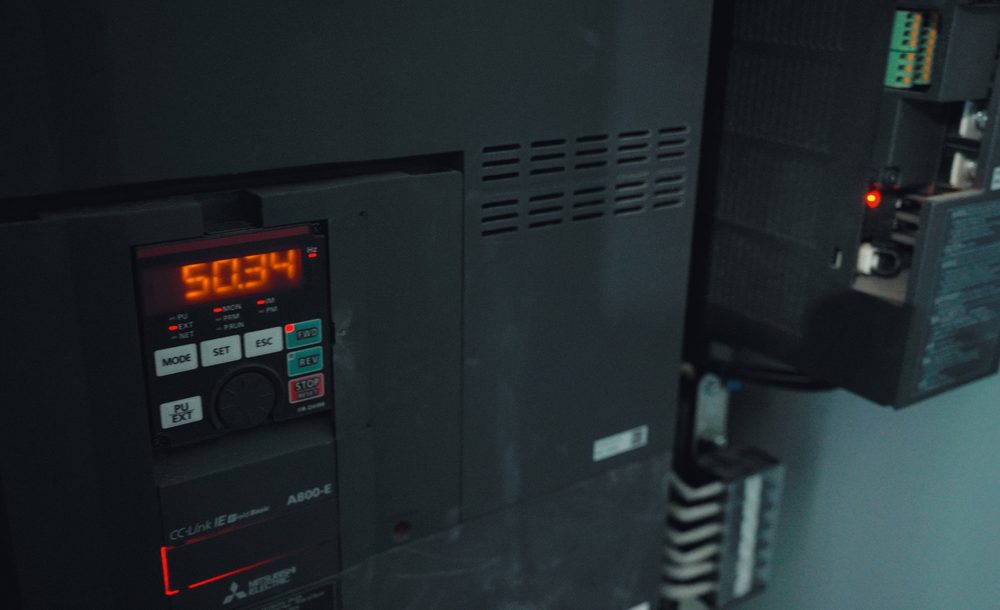
System integrator DWI Motion carried out the retrofit. Its team fitted the Mitsubishi Electric FR-A800 inverter together with the FR-XC regenerative converter. The new setup gives the trolley motor tighter control during acceleration, travel and braking. It also recovers the electrical energy that the motor generates on each downhill run.
The job began with a recurring motor problem. According to Michał Bicz, an engineer at DWI Motion, a closer look at the application showed a chance to improve both reliability and energy use.
Measured results
The team compared measurements taken before and after the modernisation under similar production conditions. The new drive system delivered the following results:
- Energy saving: about 11 kWh per day, which adds up to more than 3 MWh per year for a single trolley.
- Energy recovery: roughly 4 kW generated on each descent and returned to the plant’s electrical network for use elsewhere on site.
- Brake wear: the VFD now handles the braking, so the mechanical brake no longer stops the trolley from full speed.
- Thermal load: the regenerative module feeds the energy back to the grid instead of burning it off in a braking resistor, so the control cabinet runs cooler.
Reliability and maintenance gains
Smoother braking reduces wear on the brake and on other parts of the drive system. Krzysztof Rejdych, Product Maintenance Manager at Holcim Polska, said that this supports more reliable material feeding and lowers the risk of unplanned downtime. The upgraded system also shows more detail about motor operation, so the maintenance team can spot potential issues and plan interventions earlier.
Using Mitsubishi Electric technology across the whole drive system also simplified the design of the control cabinet.
Commissioning with the existing production cycle
DWI Motion integrated and commissioned the solution at the plant and adapted it to the existing trolley. The work required careful tuning of the motor and braking sequence, as well as the acceleration and deceleration settings, so that the required production cycle stayed intact.
Why it matters for engineers
Many sites run equipment that works in frequent cycles, such as trolleys, hoists and conveyors, and wastes braking energy as heat. This case shows that a drive retrofit can address energy cost, mechanical wear and cabinet temperature in one step, without replacing the wider system. Wojciech Bracha, Senior Product Manager AC Drives at Mitsubishi Electric, made the same point: precise control of acceleration and braking reduces stress on existing equipment while returning otherwise lost energy to the plant.
The results have already led to follow-up work. Holcim asked DWI Motion to carry out similar modernisations at other facilities, and the solution has since been implemented at other sites. With hundreds of similar drives operating across Holcim’s Polish plants, the potential to scale this approach is considerable.
More news from this manufacturer is available in our Mitsubishi Electric news section. You can also read about the new FR-D800 series inverters from the same company, or browse more industrial automation success stories.