
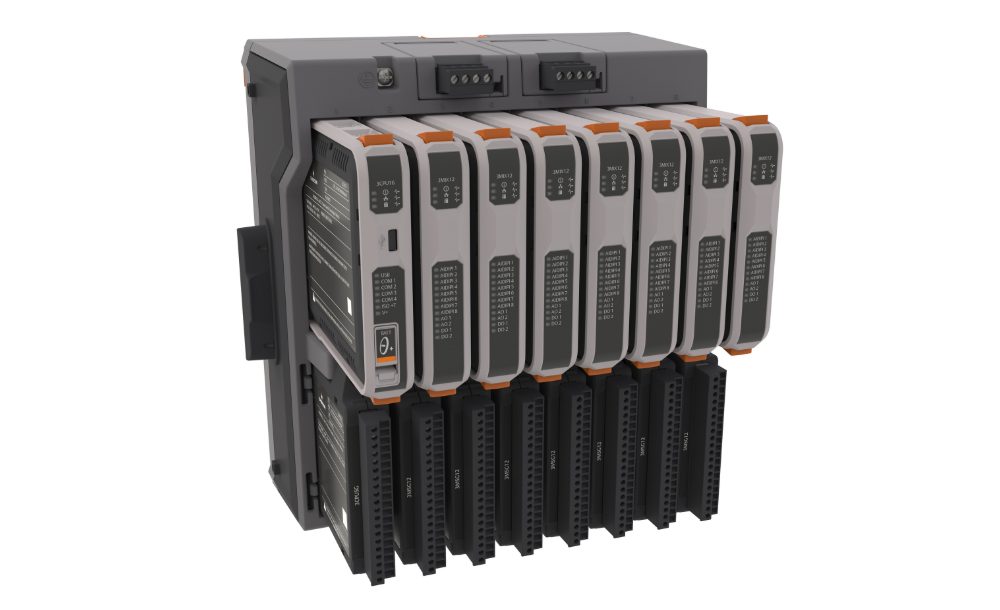
Emerson has expanded its DeltaV FB3000 remote terminal unit (RTU) with liquids automation capabilities for midstream energy operators. The update adds integrated proving and batch management for liquids. As a result, operators can now handle gas and liquids measurement, control and communications on a single platform.
From gas measurement to liquids custody transfer
The DeltaV FB3000 RTU was already known for gas measurement. It combines measurement, control, communications and cybersecurity in one device. However, liquids pipelines bring their own requirements, especially for proving and batch handling. The new functions target exactly these tasks.
According to Emerson, many operators still run liquids measurement, control and communications on separate systems. Aaron Boettcher, vice president and general manager of Emerson’s energy and transportation solutions business, says the RTU brings these critical functions together in “a single, scalable platform.”
Key features
- Advanced Pulse Module (APM): adds support for liquids proving. It helps improve measurement accuracy and streamlines proving workflows.
- Integrated proving and batch management: liquids functions run directly in the RTU, next to the existing gas measurement.
- Cybersecure-by-design architecture: the design follows a Zero Trust approach to protect measurement data across the custody transfer lifecycle.
- Scalable architecture: it supports phased modernization, standardization and future growth.
Typical applications
Emerson targets pipelines that carry a wide range of products:
- Crude oil and refined petroleum products, including diesel
- LPG, NGLs and condensate
- Specialty chemicals and other liquid hydrocarbons
In addition, the RTU fits gathering systems, terminals, storage facilities and production assets. Operators with mixed assets can also standardize gas and liquids operations on the same platform.
Why it matters for engineers
Custody transfer is the point where a product changes ownership. For this reason, measurement errors turn directly into financial losses or disputes. Proving checks meter accuracy against a reference. Therefore, bringing proving into the RTU removes one more separate system from the measurement chain.
For SCADA and automation teams, the main benefit is consolidation. One platform for gas and liquids means fewer device types to configure, maintain and secure. Emerson says this approach reduces complexity, lifecycle costs and inconsistent cybersecurity practices. It also supports regulatory compliance. Moreover, the scalable design lets operators modernize step by step instead of replacing a whole network at once.
Cybersecurity is another key point. RTUs often sit at remote, unmanned sites, so they can become an entry point for attackers. A Zero Trust design treats every connection as untrusted until it is verified. Emerson also offers global lifecycle support for the platform.
Availability and resources
Emerson states that the DeltaV FB3000 RTU now supports integrated proving and batch management for liquids. The company has not published separate model numbers or detailed technical data for the new functions. You can find more information on the DeltaV FB3000 RTU product page and on Emerson’s Zero Trust cybersecurity page.
For more news from the manufacturer, see our Emerson product news section. You can also read about DeltaV Version 15 for distributed control systems or browse more process automation products.