
In recent months, the market has been experiencing a RAM crisis and its exorbitant price, shaking the industry. This surge in demand, and therefore prices, is also affecting manufacturers of industrial automation components.
According to the specialized website Xataka, memory prices have skyrocketed to unsustainable levels. DDR5 modules that previously cost between €100 and €150 now easily exceed €350 in many markets.
Artificial Intelligence (AI) is partly to blame. The demand for DRAM for AI applications has absorbed a large portion of global production. OpenAI alone has captured 40% of all production.
After the supply chain crisis following COVID-19, the problems with rare earth elements so necessary for manufacturing certain components, and the tariff “war,” RAM is now poised to be the next problem facing automation component manufacturers and, consequently, the machinery manufacturers who install these components in their machines.
In just a few days, automation companies will begin announcing price increases on their equipment due to the sharp rise in RAM prices.
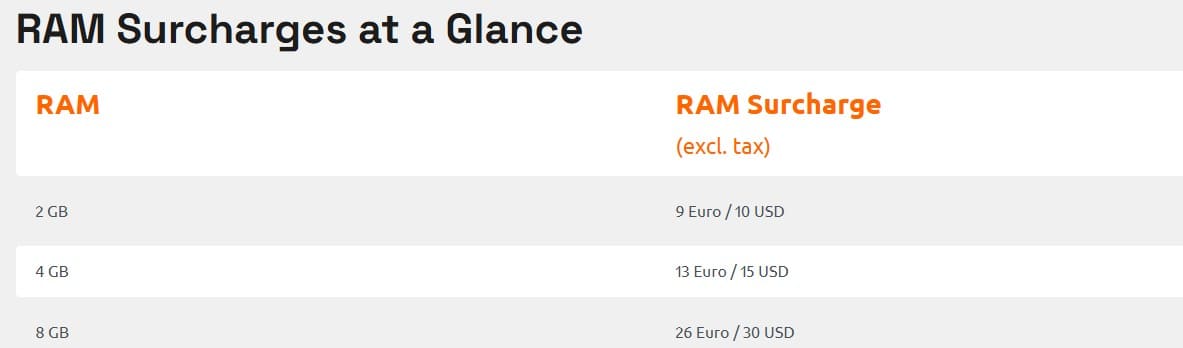
Revolution Pi, a specialist in open-source Linux solutions for industrial applications powered by the Raspberry Pi computing module, announced on its website: “Starting February 16, 2026, we will implement a temporary price increase for RAM, affecting only our RevPi Connect 4 and RevPi Connect 5 models.” “On February 2, 2026, Raspberry Pi announced further price increases for all Raspberry Pi 4 and 5 compute modules with 2GB or more of RAM. This is the second price adjustment in just a few months; Raspberry Pi announced the first increase on October 1, 2025. This is due to an unprecedented and rapid increase in RAM prices, driven by strong demand in the AI infrastructure sector. As a result, the Raspberry Pi compute modules we use have become up to 47% more expensive since October 2025.”
ESA Automation has also sent an informative email regarding this matter:
“We would like to inform you that the memory component market (RAM, HDD, and SSD) is currently experiencing significant global volatility. This situation is due to a sharp increase in demand, particularly in sectors related to artificial intelligence and data centers, and the resulting reduction in component availability. The current market volatility may lead to short-term fluctuations in costs and availability, even for the same configuration and product code. For this reason, quotes and order confirmations may be subject to updates based on actual component availability at the time of confirmation. To reduce exposure to potential variations and ensure greater cost stability, we recommend that you, together with us and your local sales representative, evaluate the adoption of an appropriate level of safety stock, where possible.”
If the RAM problem continues to escalate, it might not just be the price increase but also equipment shortages due to a lack of components, so we’ll remain on this rollercoaster of problems. Let’s hope this RAM crisis doesn’t significantly affect industrial machinery OEMs.